In today’s experience-driven world, audiences expect more than simply attending an event or visiting a destination. They are looking for moments that inspire, engage, and create lasting memories. This shift has led to the growing popularity of immersive experiences, where art, technology, and storytelling come together to transform the way people interact with spaces and content.
By combining visual effects, light, sound, digital media, and interactive elements, immersive experiences create environments that audiences can not only see, but also feel and become part of. As a result, these technologies are becoming increasingly important across the tourism, events, and entertainment industries.
The Rise of Immersive Experience Design
Traditional displays and event formats often focus on delivering information to an audience. Immersive experiences take this concept further by encouraging participation and emotional engagement.
Rather than observing from a distance, visitors are invited to explore, interact, and connect with the story being presented. Whether in a museum, exhibition, tourism attraction, or corporate event, immersive technology helps turn content into a memorable journey.
This approach is now widely used around the world to enhance visitor experiences, strengthen storytelling, and create deeper emotional connections.
Key Technologies Shaping Modern Experiences
Interactive Exhibitions
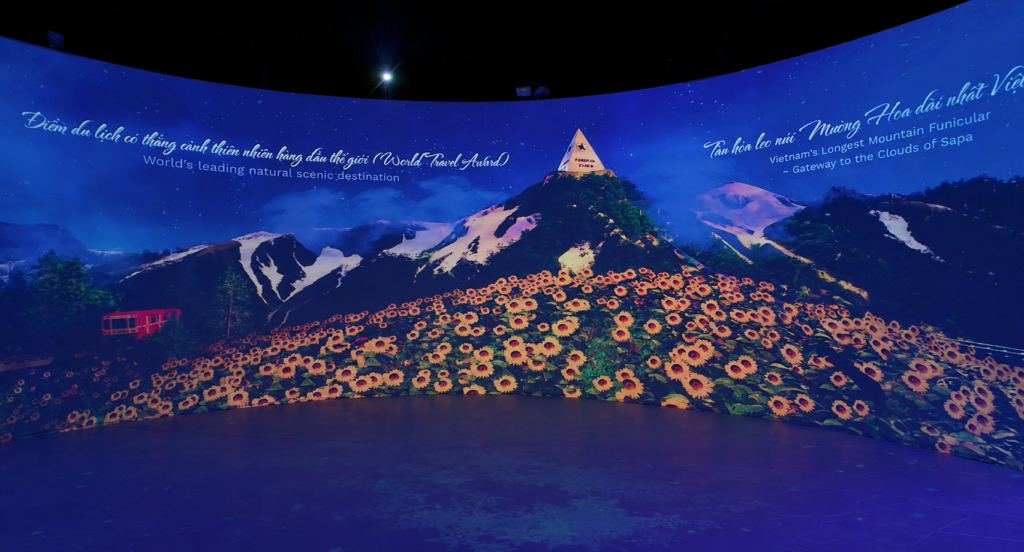
Interactive exhibitions allow visitors to engage directly with the environment around them through movement, touch, or digital interaction.
These experiences transform traditional displays into dynamic spaces where visitors can actively participate in the story rather than simply observe it.
Best suited for:
- Museums and cultural centers
- Tourism attractions
- Educational programs
- Brand experiences
- Public exhibitions
3D Projection Mapping
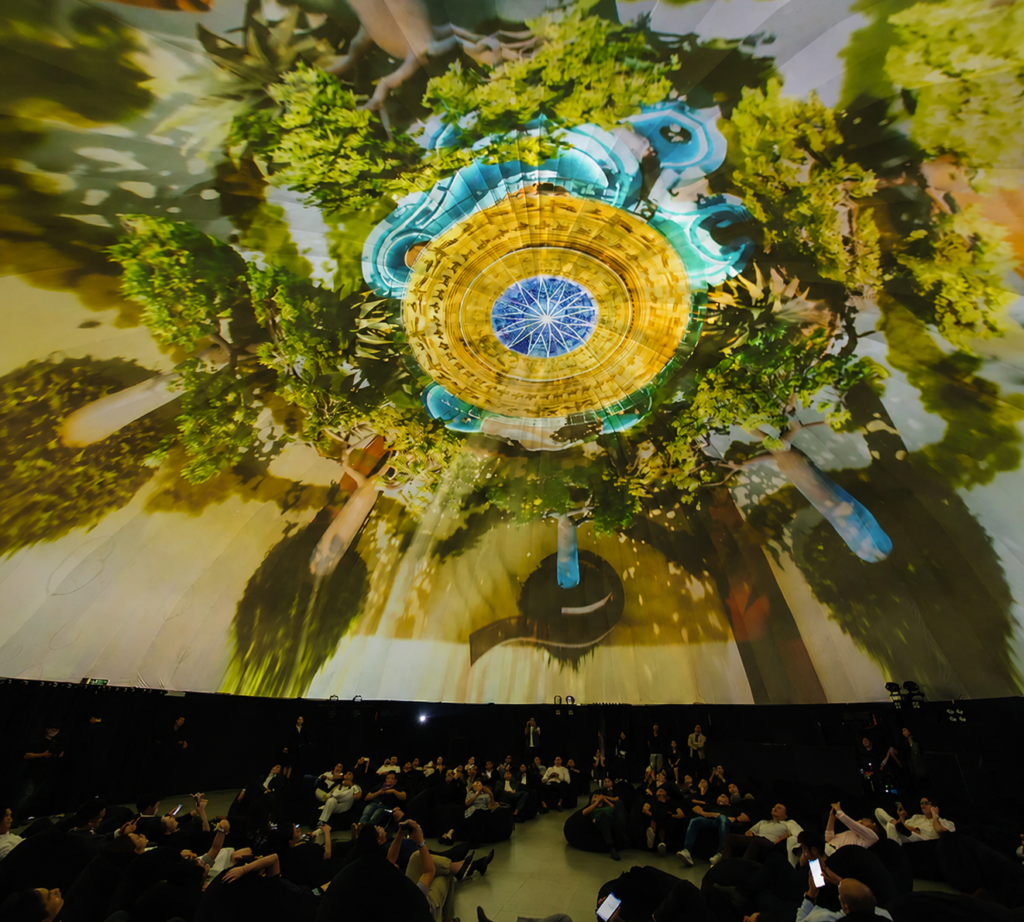
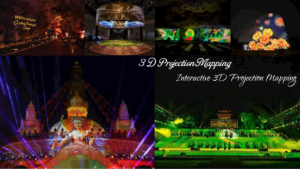
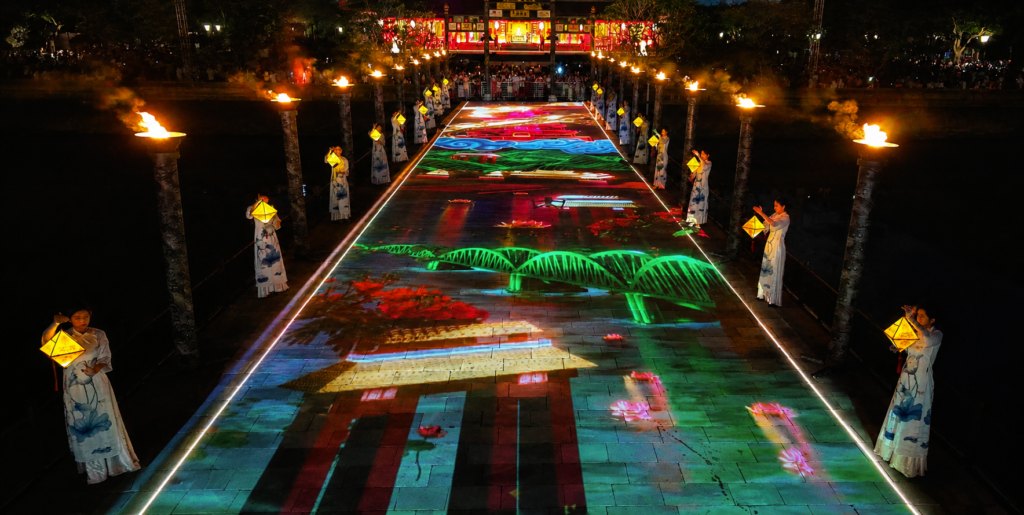
Projection Mapping uses advanced projection technology to transform buildings, stages, walls, and other surfaces into immersive visual canvases.
Through customized animations and creative content, ordinary structures become part of a larger storytelling experience.
Common applications include:
- Opening ceremonies
- Festivals
- Gala dinners
- Product launches
- Tourism events
Laser Mapping and Light Shows
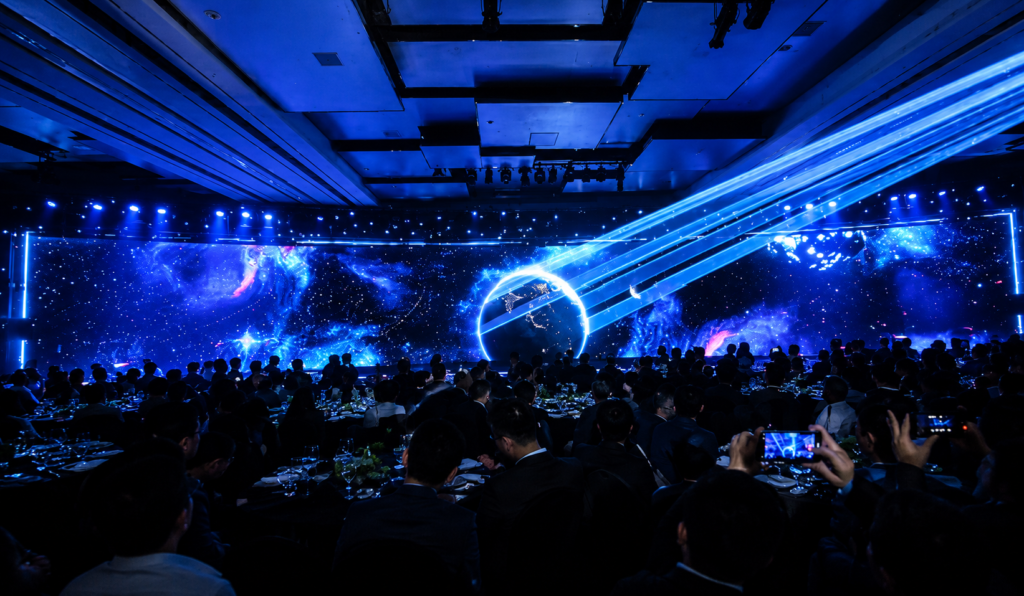
Laser technology creates striking visual effects that can be synchronized with music, storytelling, and live performances.
Its ability to fill large spaces with vibrant beams and motion makes it a popular choice for high-impact events.
Common applications include:
- Outdoor celebrations
- Concerts
- Countdown events
- Large-scale public performances
Holographic Displays
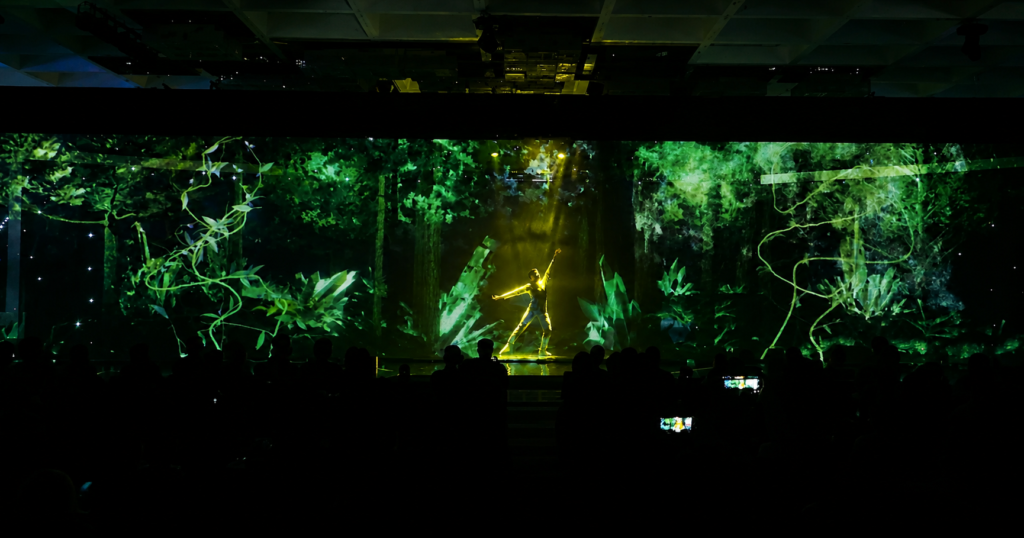
Holographic technology creates the illusion of three-dimensional objects and characters appearing within a physical space.
This innovative format allows information, products, and stories to be presented in a highly engaging and memorable way.
Common applications include:
- Product launches
- Exhibition displays
- Corporate presentations
- Multimedia performances
Digital Visual Art
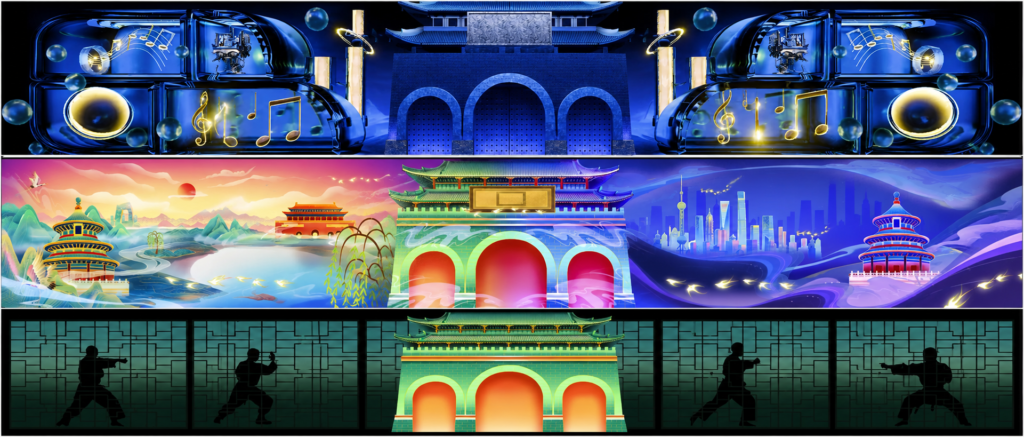
Digital Visual Art combines artistic creativity with technology to create immersive visual environments and installations.
From animated projections to multimedia art pieces, these experiences add a unique artistic dimension to events and public spaces.
Common applications include:
- Art exhibitions
- Cultural festivals
- Hotels and resorts
- Public installations
- Creative event spaces
Applications Across Tourism and Events
Immersive technologies can be adapted to a wide variety of projects and industries.
In tourism, they help destinations present culture, history, and heritage in more engaging and accessible ways. Historical narratives can be brought to life through projection mapping, interactive storytelling, and multimedia experiences that appeal to modern travelers.
In the events industry, immersive solutions help brands and organizers create stronger audience engagement. Whether through interactive exhibitions, visual performances, or innovative stage design, these technologies enhance the overall event experience and create memorable moments for participants.
Why Immersive Technology Matters
The value of immersive experiences goes beyond visual impact.
These technologies help:
- Increase audience engagement
- Strengthen emotional connections
- Enhance storytelling
- Improve information retention
- Create memorable visitor experiences
- Generate shareable content and social media exposure
When thoughtfully integrated into an event or destination, immersive technology becomes a powerful tool for communication, education, entertainment, and brand engagement.
Bringing Immersive Experiences to Life with TVENT
As demand for experiential tourism and innovative event formats continues to grow, immersive technologies are opening new possibilities for organizations, destinations, and brands.
At TVENT, these solutions can be incorporated into exhibitions, conferences, gala dinners, destination experiences, cultural programs, product launches, and brand activations. By combining creative concepts with trusted technology partners and experienced event design, TVENT helps clients create meaningful experiences that connect with audiences on a deeper level.
The future of tourism and events is no longer just about what people see—it is about what they feel, remember, and share. Immersive experiences make that possible.